Welcome to Fujian Guannuo Prototype Co., Ltd

RAPID PROTOTYPE/Parts/Product
Professional-grade global supplier
Service Hotline:
133-2852-9368
133-2852-9368
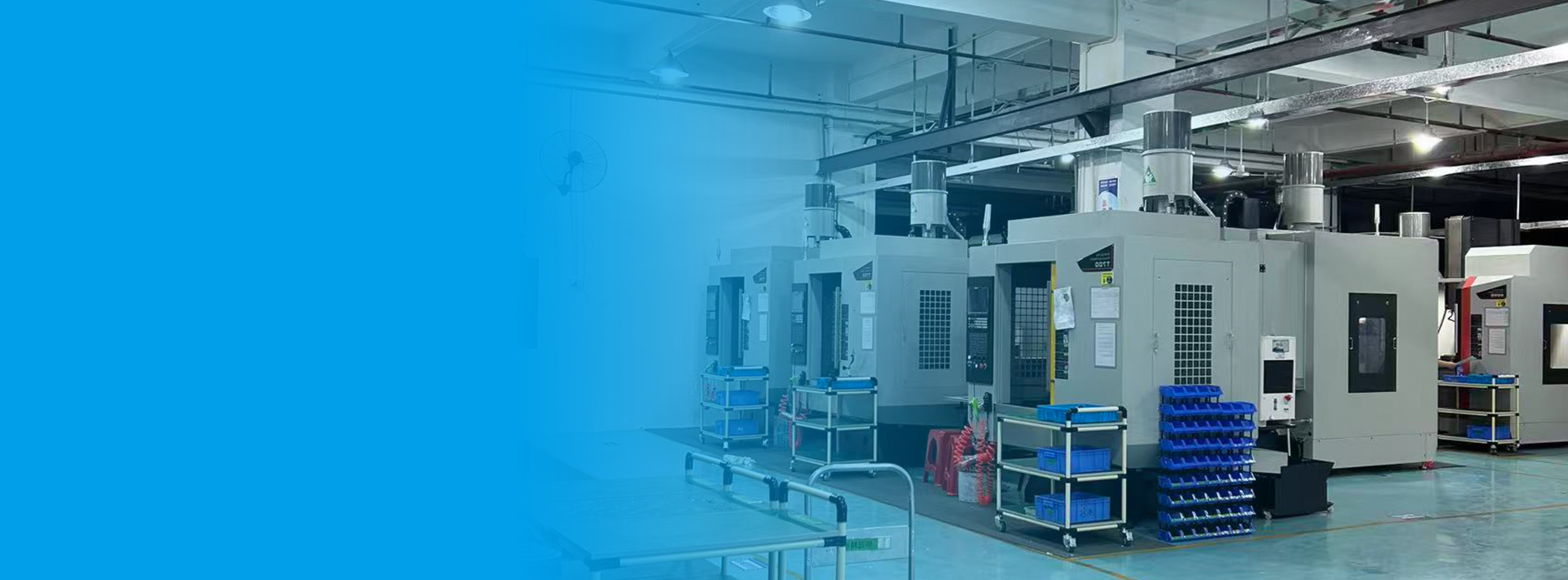
CNC machining, 3D printing, rapid prototyping, sheet metal fabrication, silicone molding.
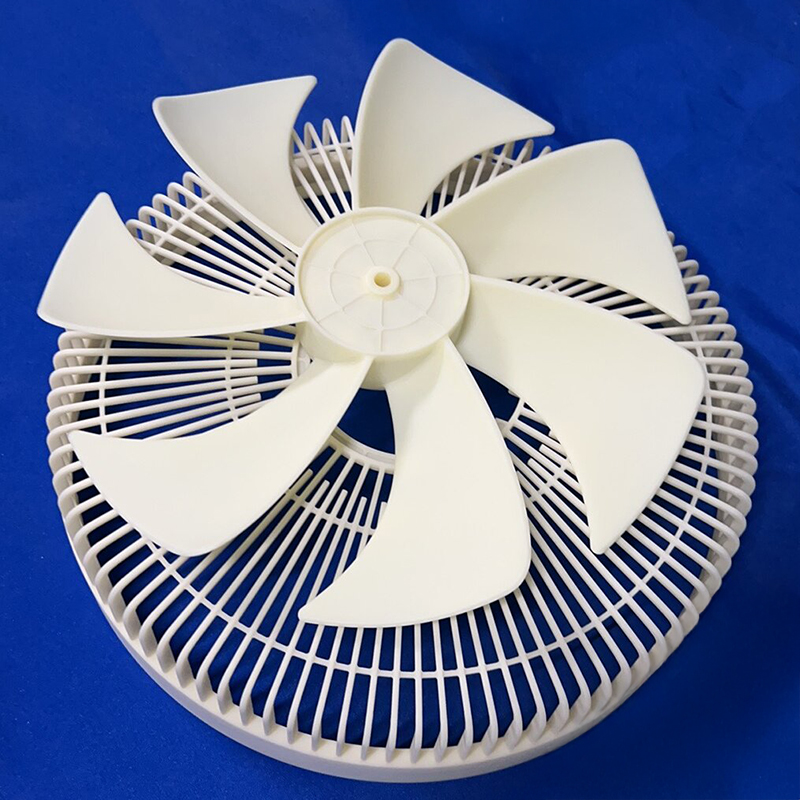
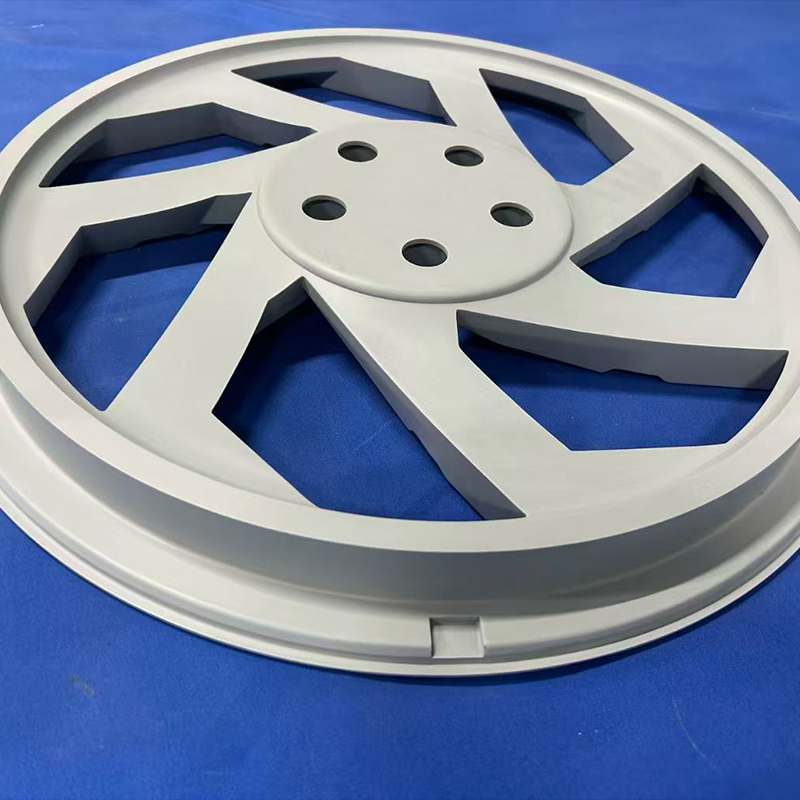
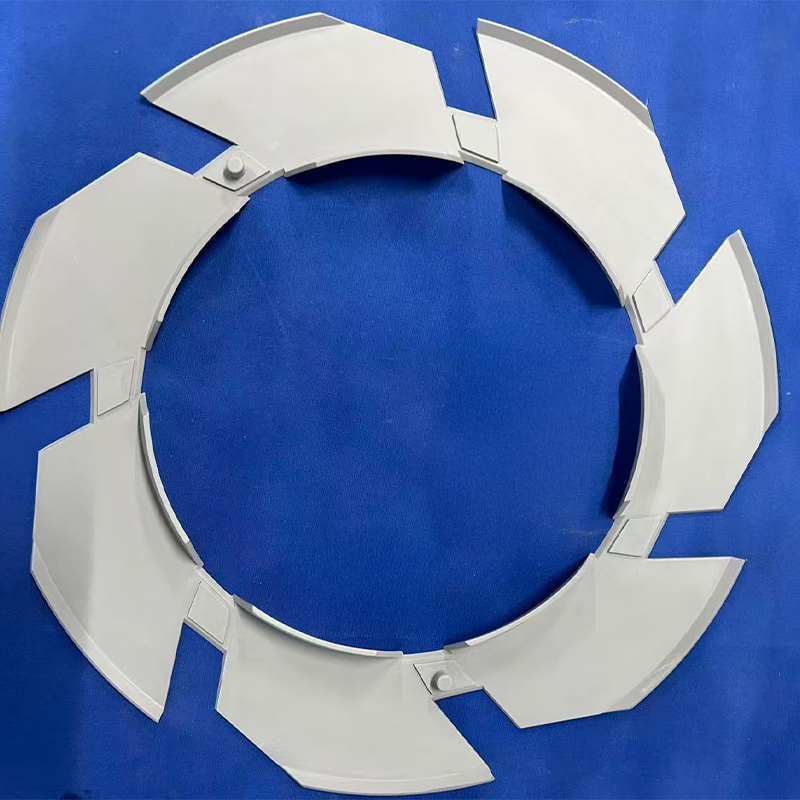

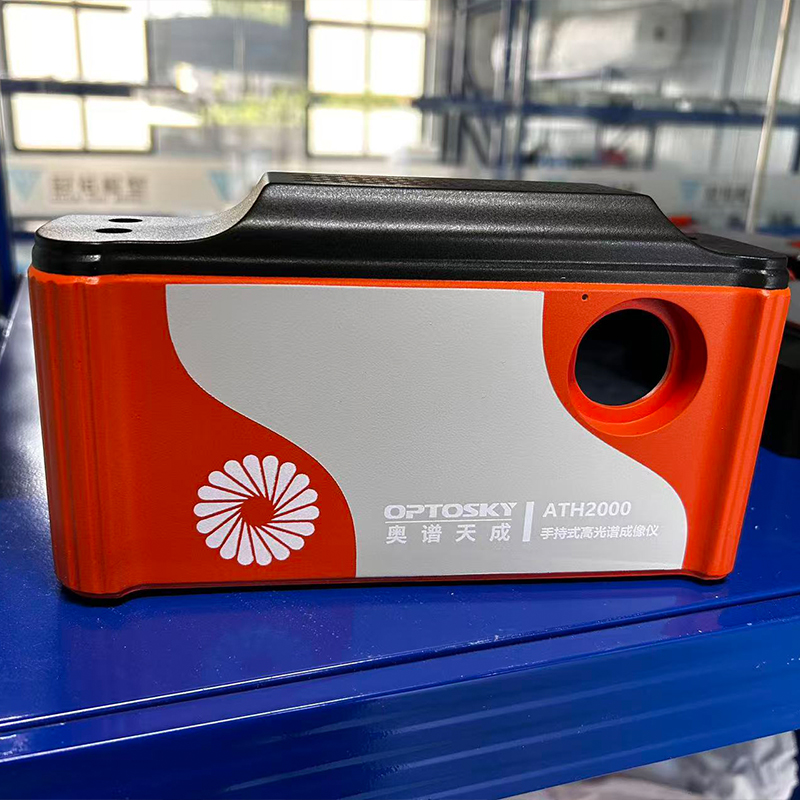
Detailed Introduction:
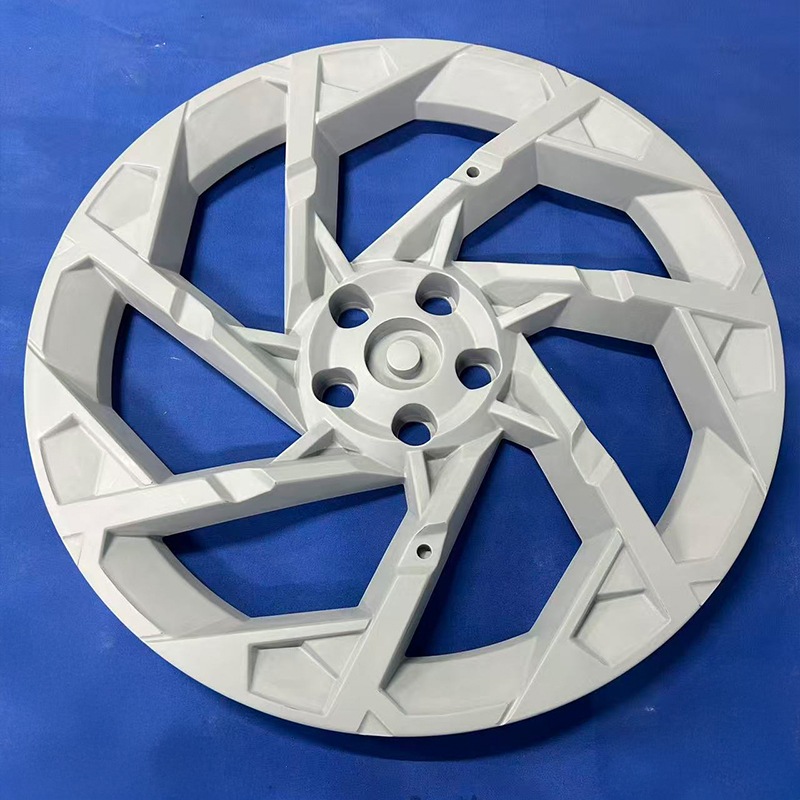
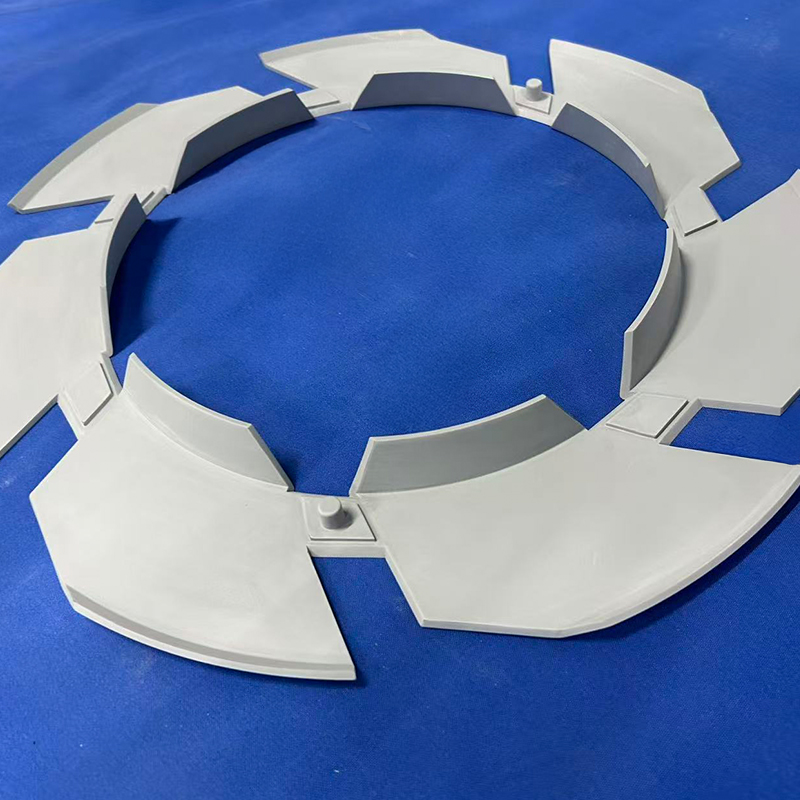
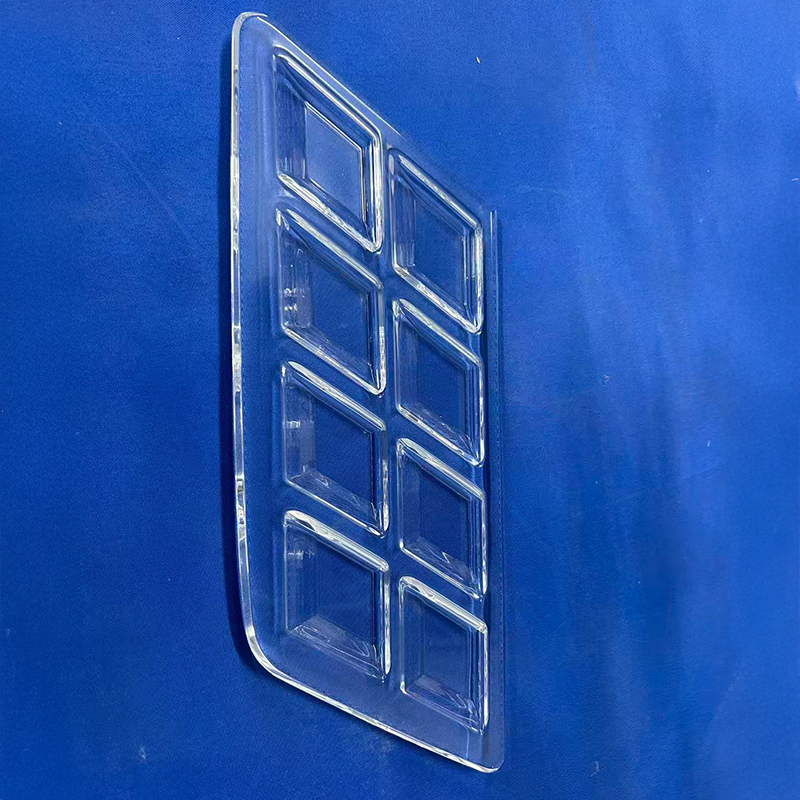
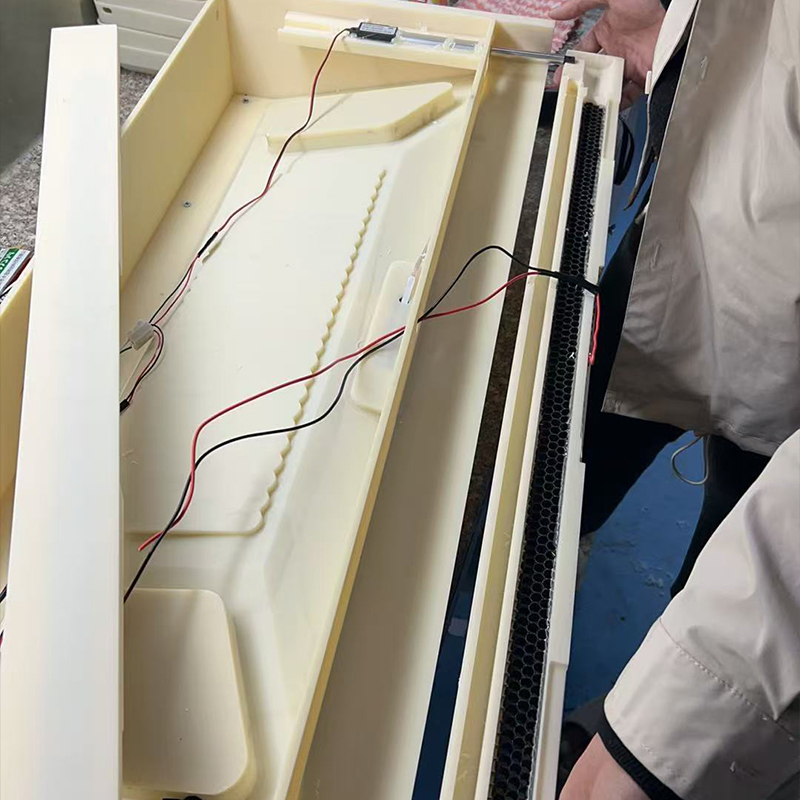
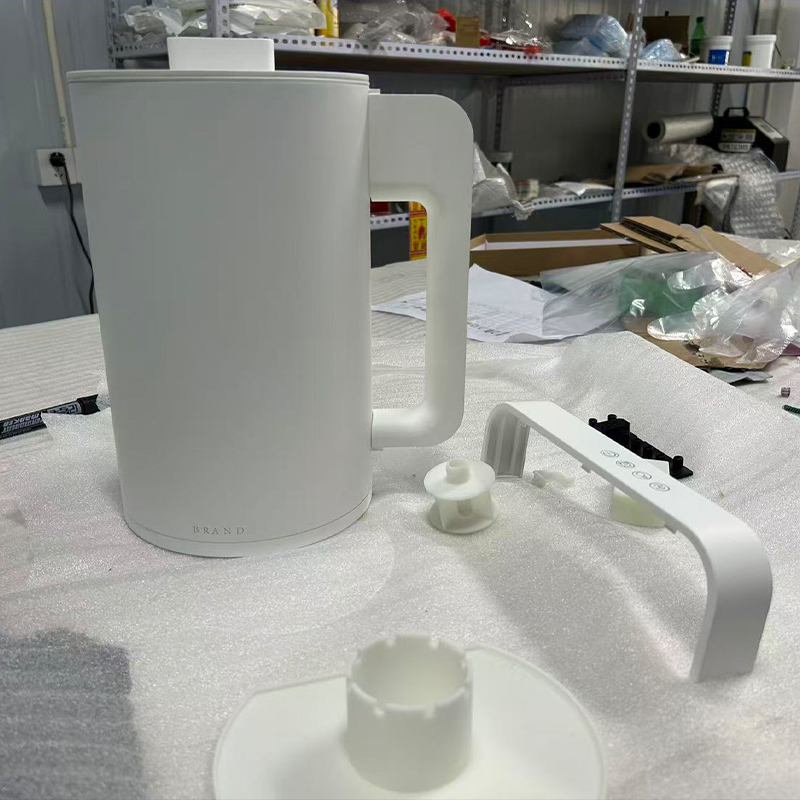
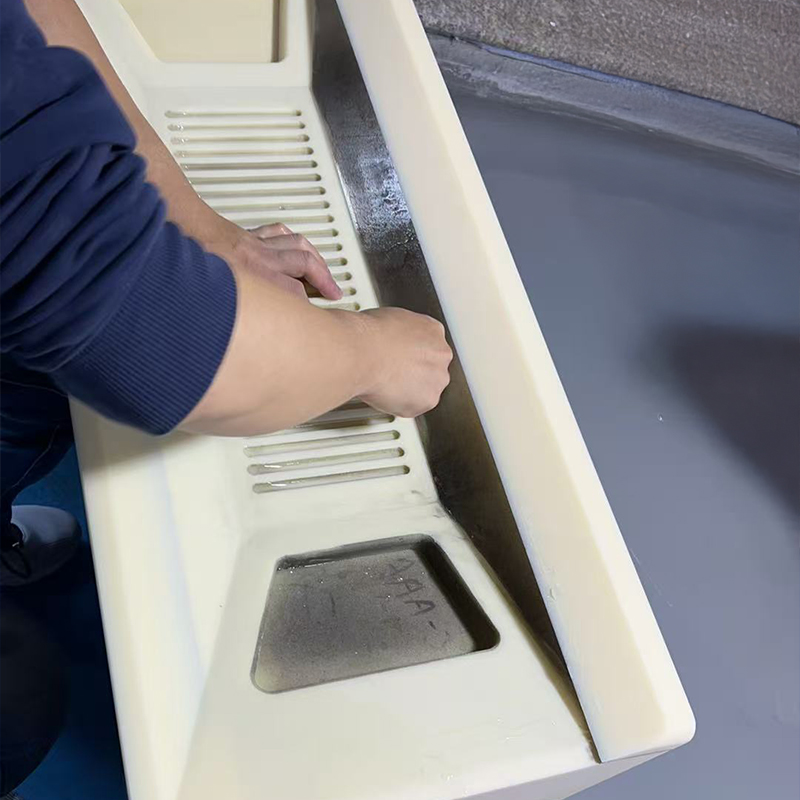
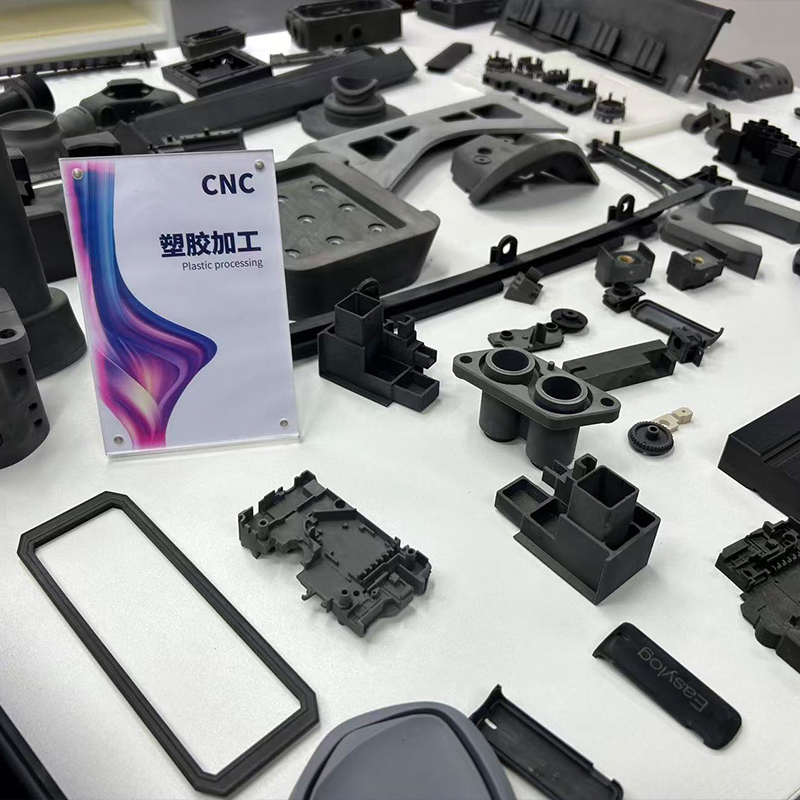
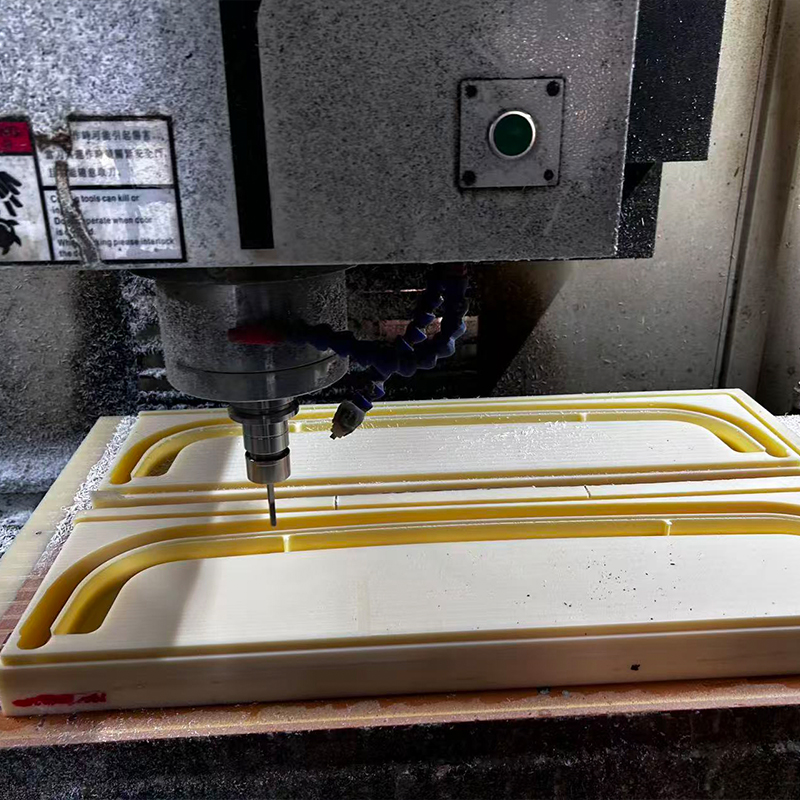
CNC plastic processing is a method that utilizes computer numerical control technology to perform precision machining on plastic materials.
CNC (Computer Numerical Control) plastic processing typically involves the following key aspects:
1. Material Identification: Before CNC machining, it is essential to accurately identify the type of plastic material, as different plastics (such as PVC, PE, ABS, etc.) possess distinct machining characteristics. These materials are difficult to distinguish visually, so their exact type must be confirmed through labels or other methods.
2. Precision Machining: CNC plastic machining offers higher precision than injection molding or 3D printing. Machined plastic parts eliminate the layer lines of 3D printers and the mold seams of injection molding, resulting in a smoother and more refined appearance of the final components.
3. No need for molds: For prototype production or small-batch manufacturing, CNC machining eliminates the need for expensive molds. Designers can directly initiate part production with just a well-designed CAD file.
4. Flexible Design: CNC machining can start directly from plastic sheets or rods, allowing the engineering team to easily modify designs during production without manufacturing any new tools, which incurs almost no additional costs when upgrading parts.
5. Rapid Turnaround: As CNC machine tools are computer-controlled, they can operate 24/7 around the clock, enabling optimal efficiency, quality, and process control throughout the entire production process, thereby reducing the production cycle.
Broader Material Selection: CNC machining can process a wider range of plastic materials, offering designers greater flexibility in material choices.
Overall, CNC plastic machining is an efficient, precise, and flexible manufacturing method suitable for prototyping, small-batch production, and the processing of plastic parts with complex shapes.

Fujian Guannuo Prototype Co., Ltd.
Tel: 13328529368
Email: 790643291@qq.com
Address: No. 45, Guanqiaowei, Guanqiao Town, Anxi County, Quanzhou City, Fujian Province