Welcome to Fujian Guannuo Prototype Co., Ltd

RAPID PROTOTYPE/Parts/Product
Professional-grade global supplier
Service Hotline:
133-2852-9368
133-2852-9368

CNC machining, 3D printing, rapid prototyping, sheet metal fabrication, silicone molding.
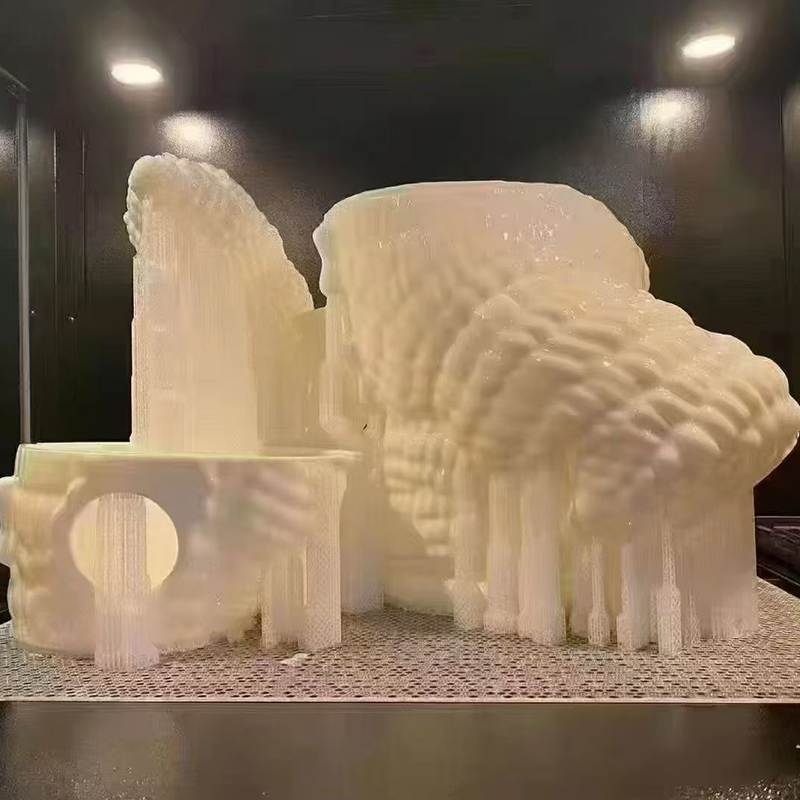
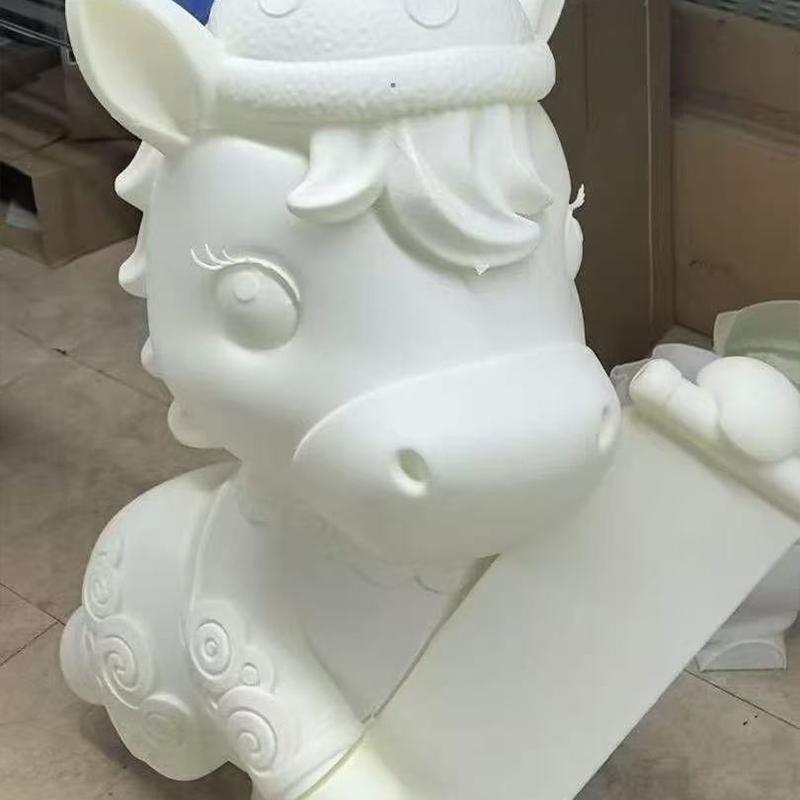
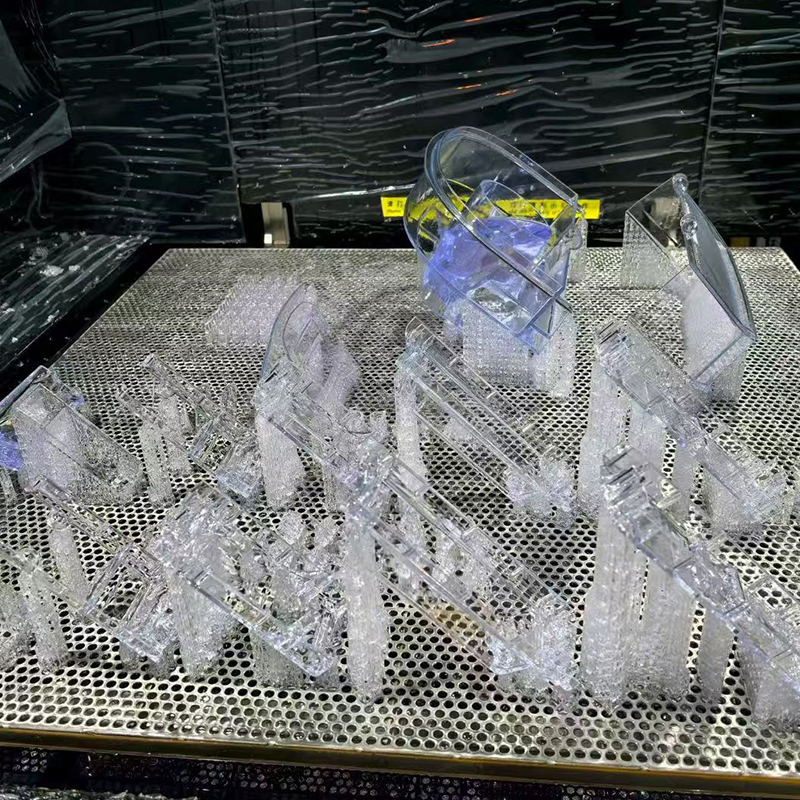
SLA solidification molding, also known as Stereolithography Appearance, is a 3D printing technology that utilizes photosensitive resin as the raw material.
The working principle of SLA technology involves focusing ultraviolet laser beams of specific wavelength and intensity onto the surface of photocurable materials, completing the drawing of one layer through a solidification process from dots to lines and then from lines to surfaces. After finishing one layer, the movable worktable ascends or descends by the height of one layer in the vertical direction, followed by the curing of the next layer. This process repeats layer by layer, ultimately forming a three-dimensional solid model.
During the SLA printing process, the photosensitive resin is typically in a liquid state. When exposed to ultraviolet light (with a wavelength of approximately 250 nm to 400 nm), it immediately initiates a polymerization reaction, thereby achieving curing. Due to the high viscosity of the photosensitive resin material, it is difficult for the liquid surface to level quickly after each layer is cured, which may affect the accuracy of the solidified object. Therefore, after using a scraper to spread the resin, the required amount of resin is uniformly applied to the previous layer. This ensures better precision after laser curing, resulting in a smoother and flatter product surface.
Overall, SLA technology has been widely applied in various fields, such as the manufacturing of engine components in the aviation industry, due to its high precision and smooth surface characteristics. Using the SLA process, wax patterns for investment casting can be directly produced from CAD digital models, significantly reducing time and costs.

Fujian Guannuo Prototype Co., Ltd.
Tel: 13328529368
Email: 790643291@qq.com
Address: No. 45, Guanqiaowei, Guanqiao Town, Anxi County, Quanzhou City, Fujian Province