Welcome to Fujian Guannuo Prototype Co., Ltd

RAPID PROTOTYPE/Parts/Product
Professional-grade global supplier
Service Hotline:
133-2852-9368
133-2852-9368

CNC machining, 3D printing, rapid prototyping, sheet metal fabrication, silicone molding.
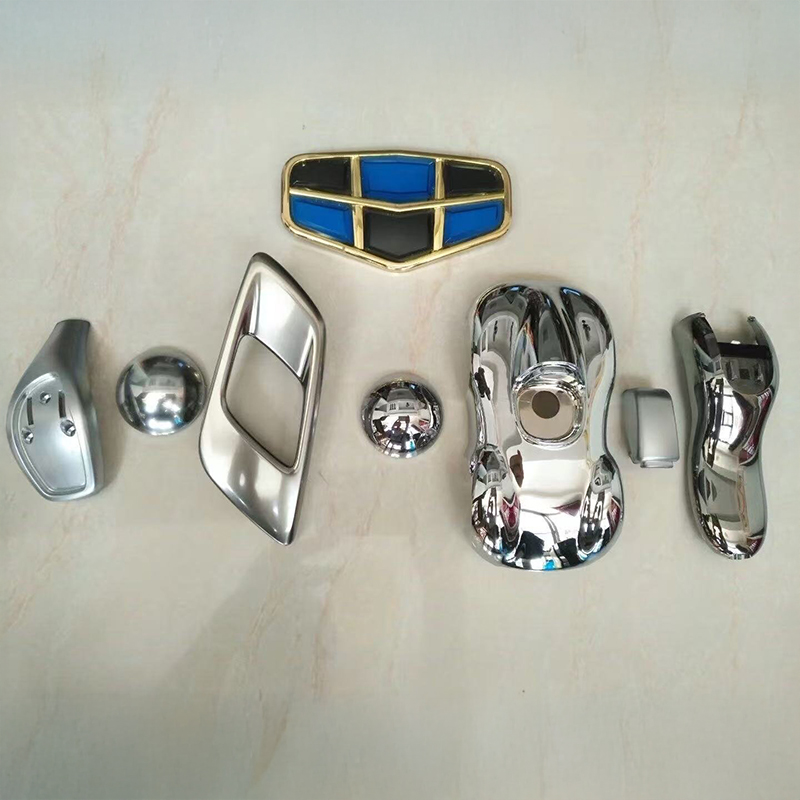
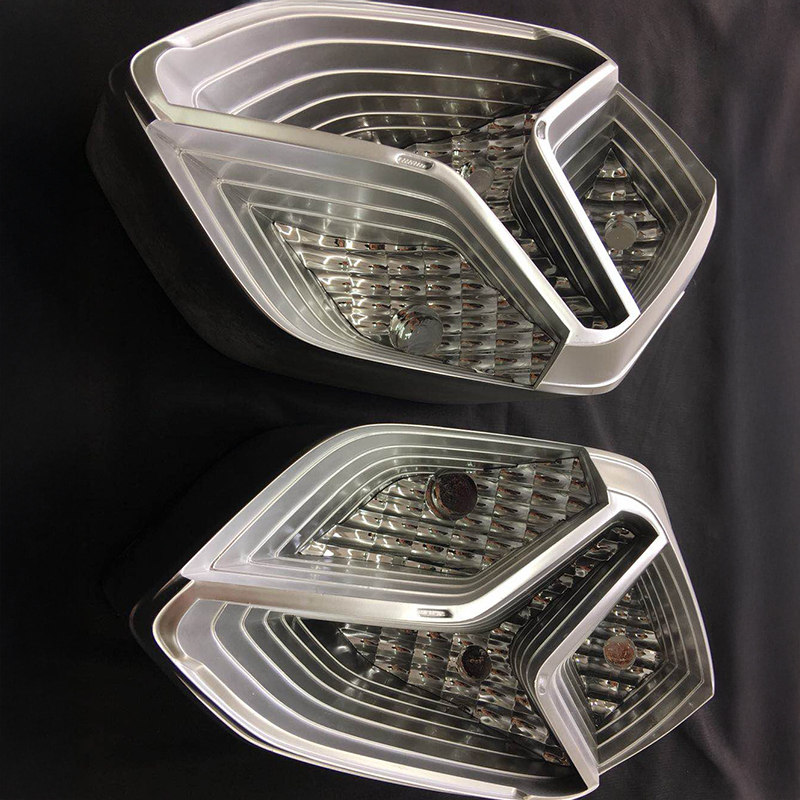
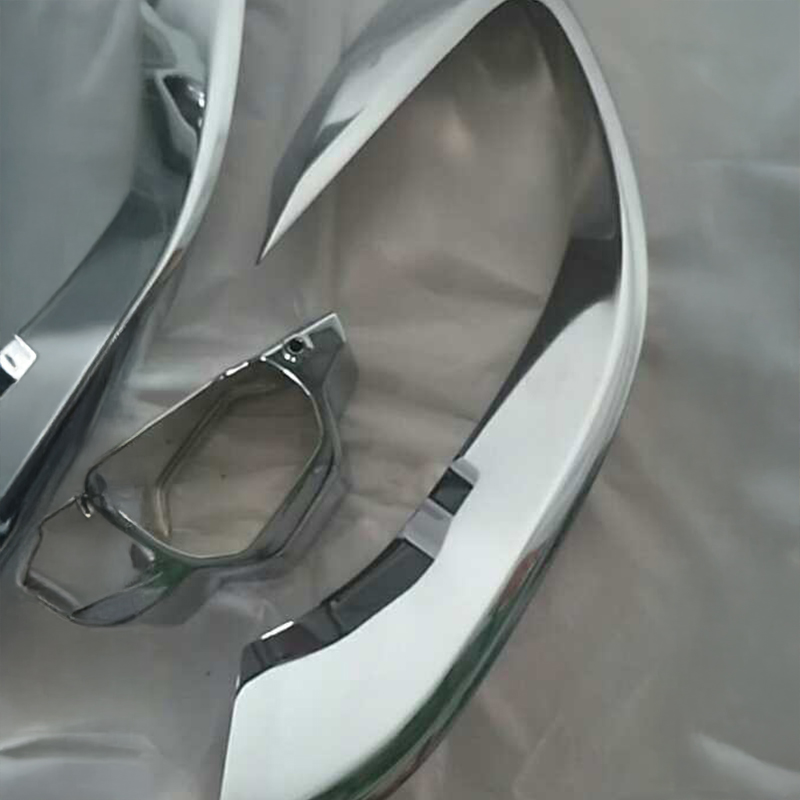
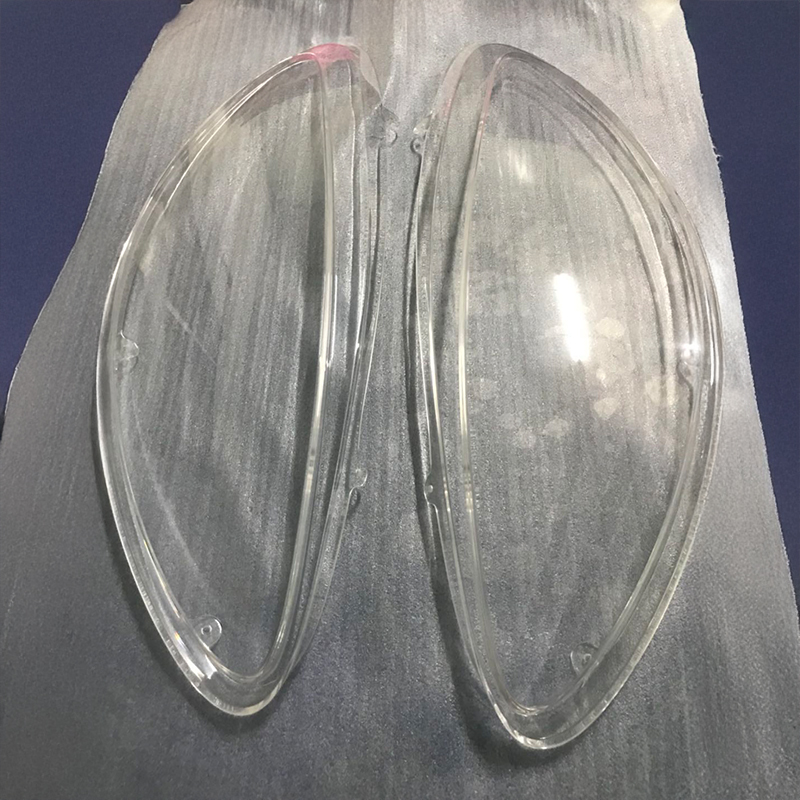
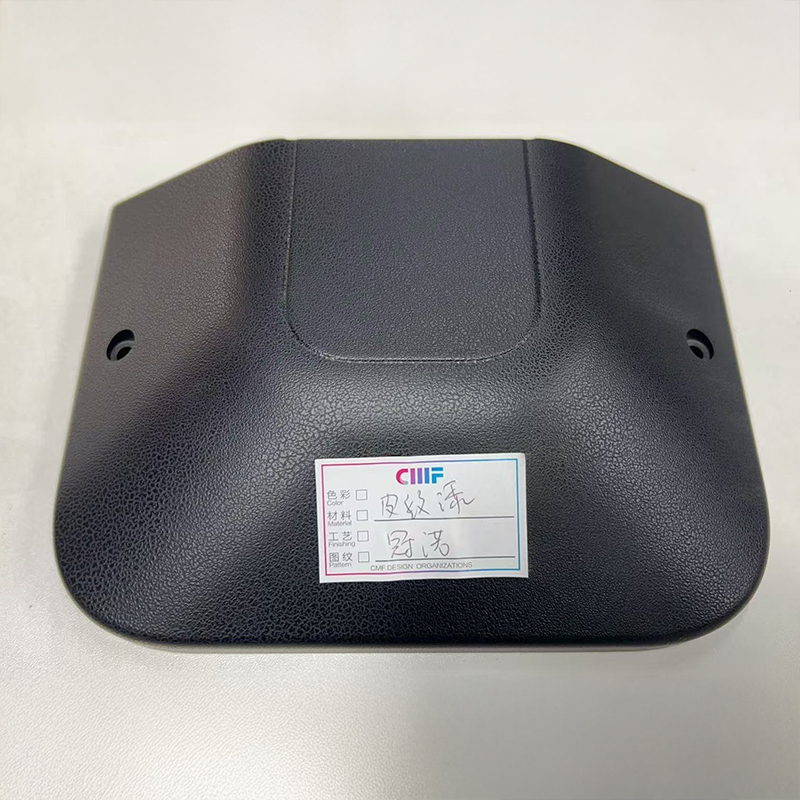
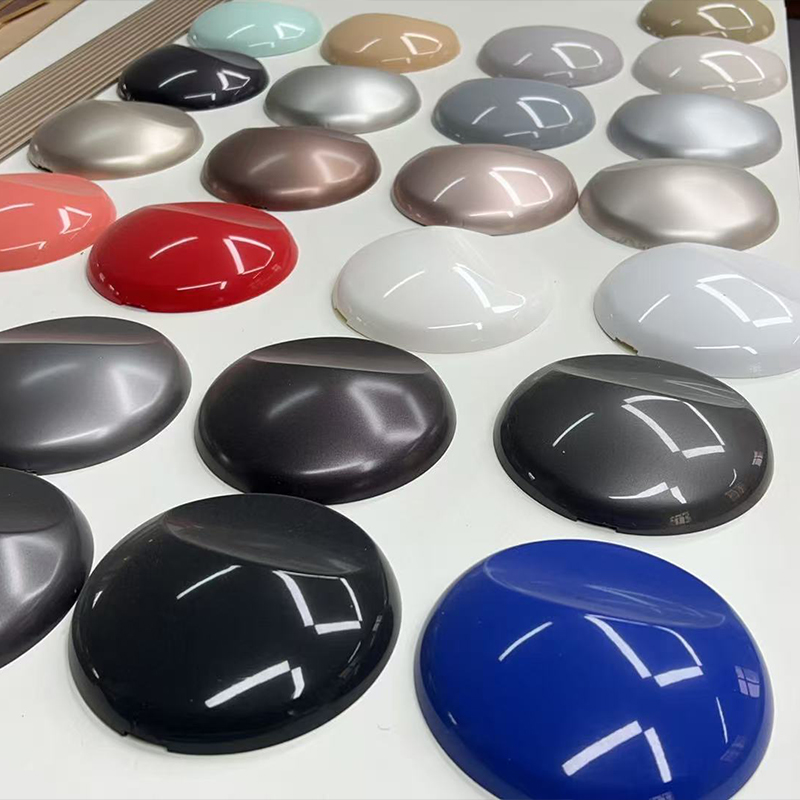
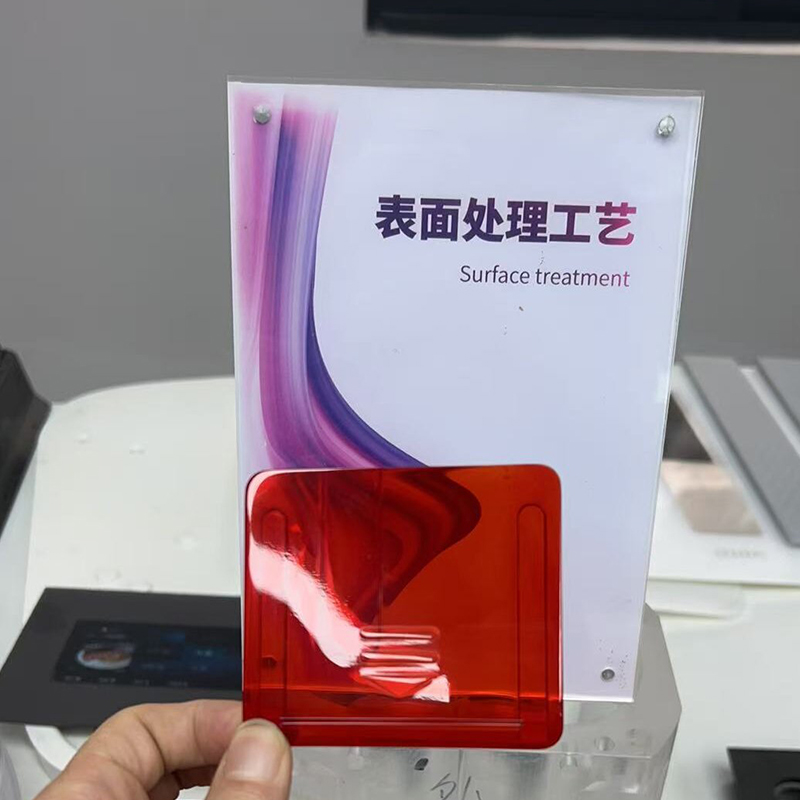
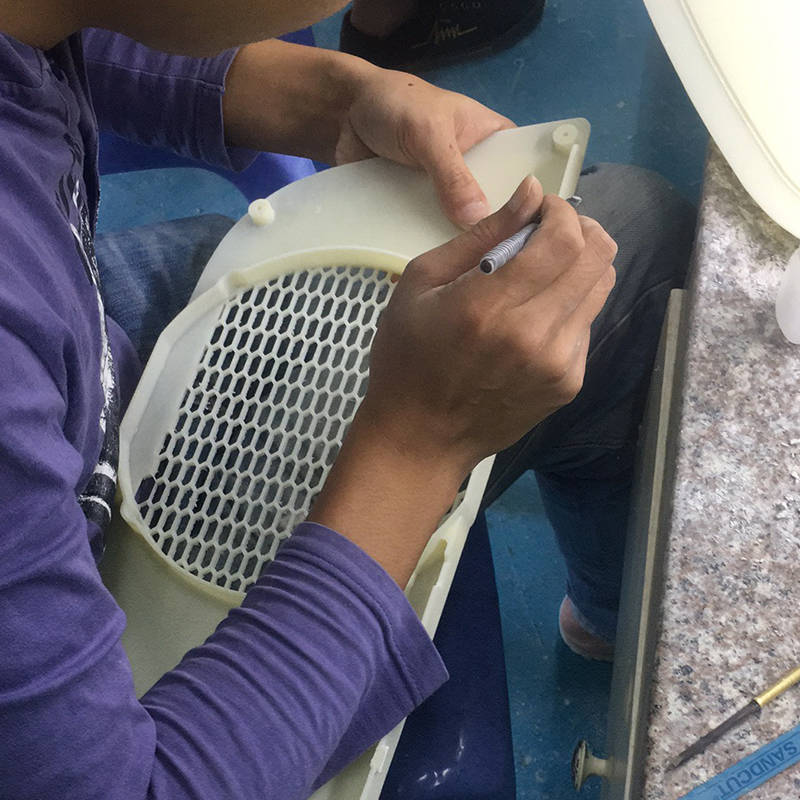
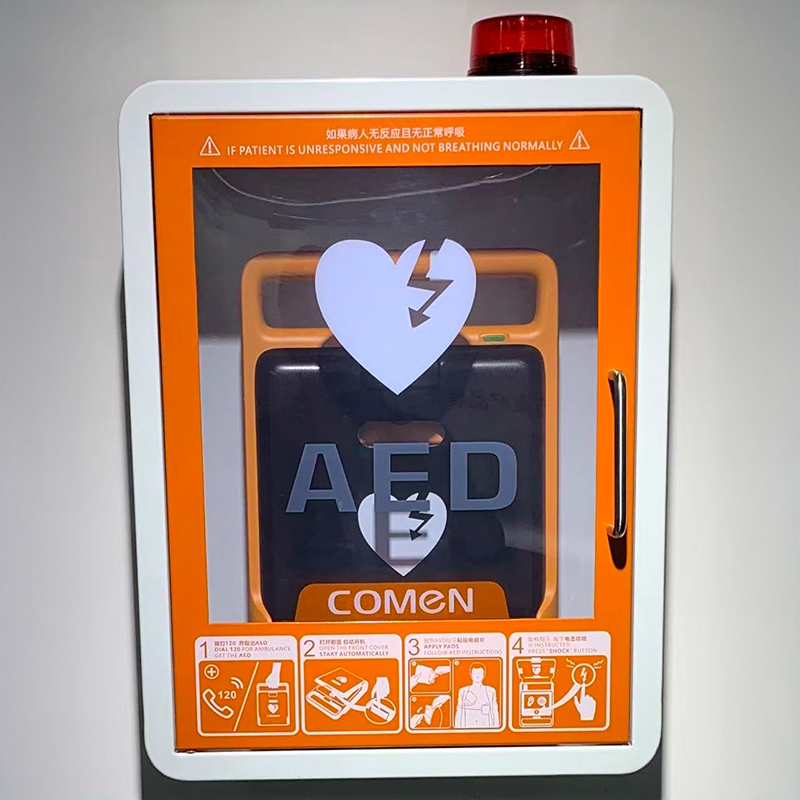
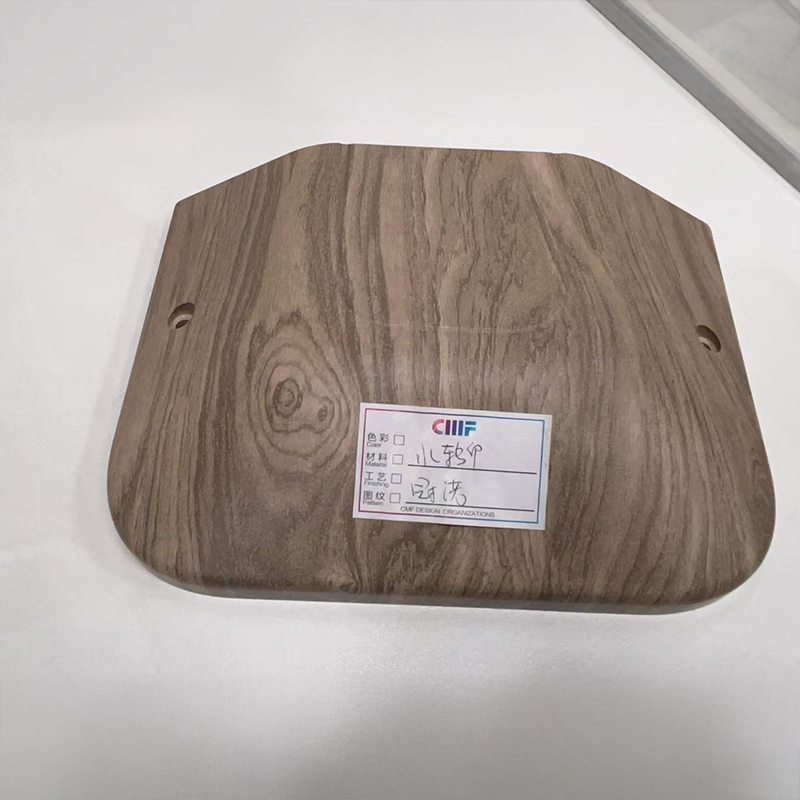
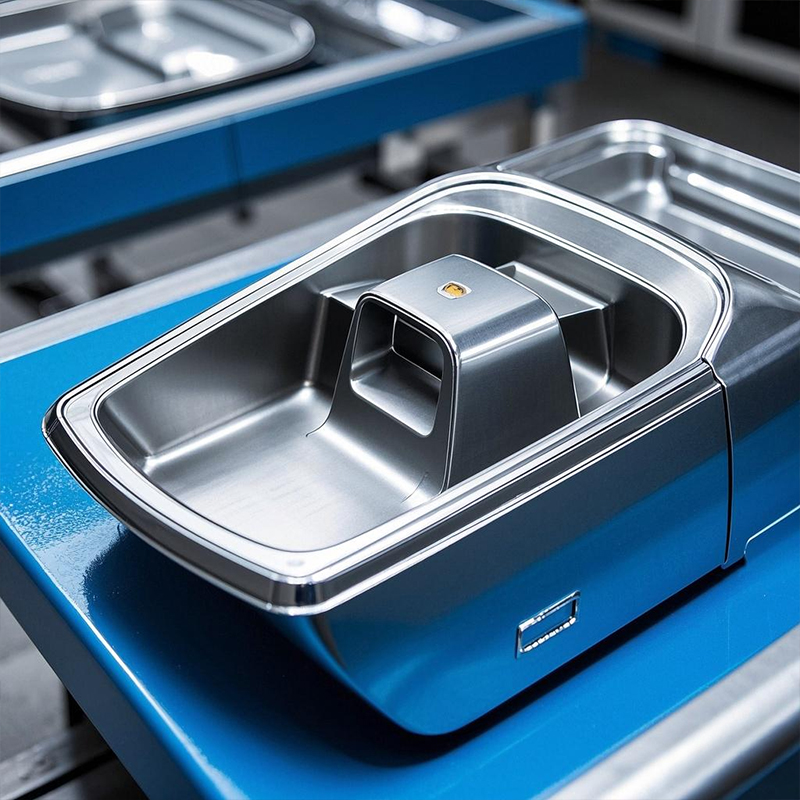
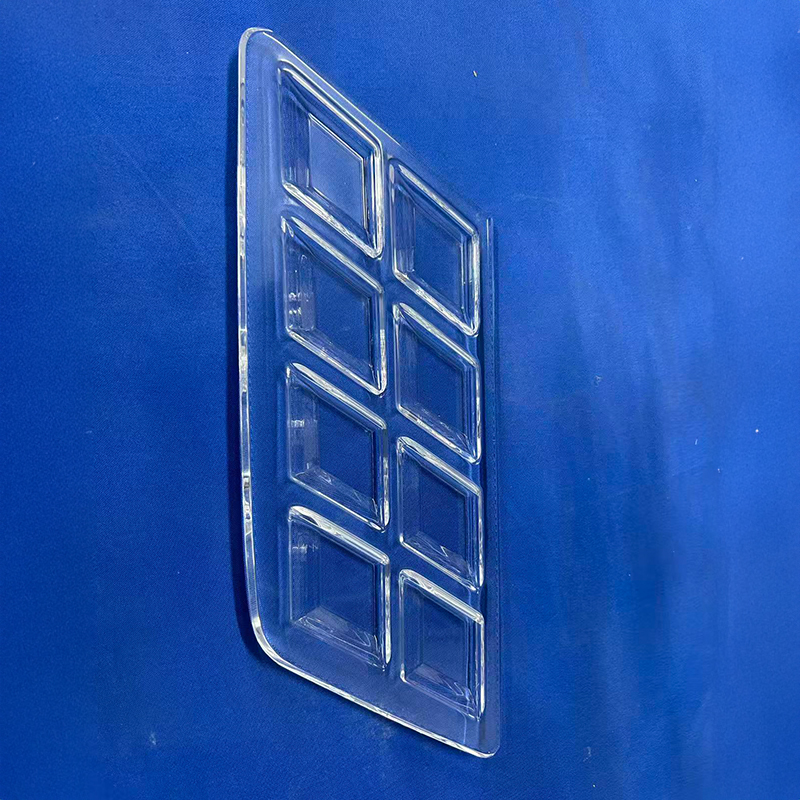
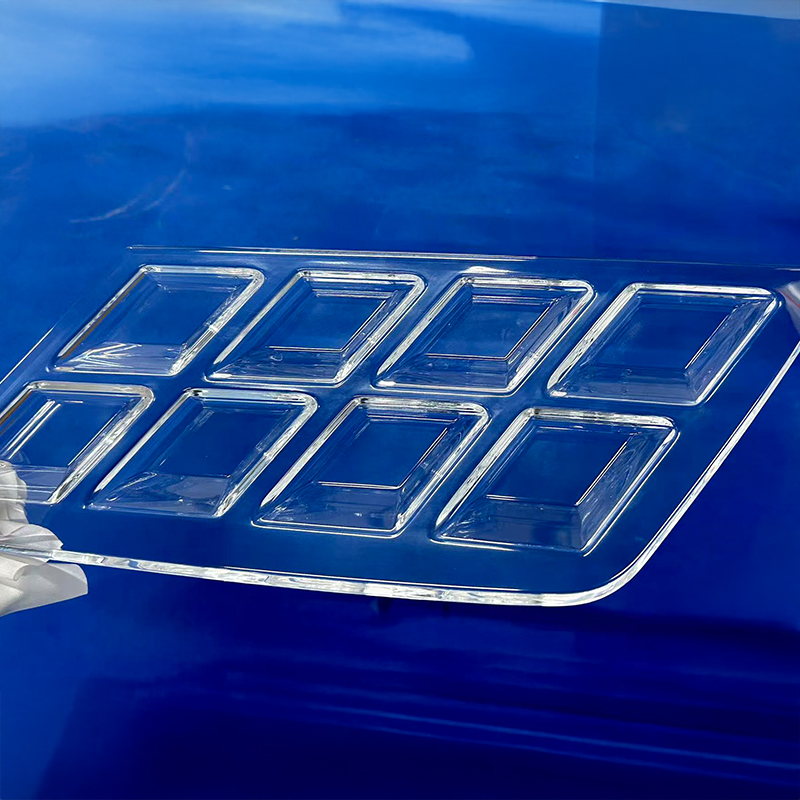
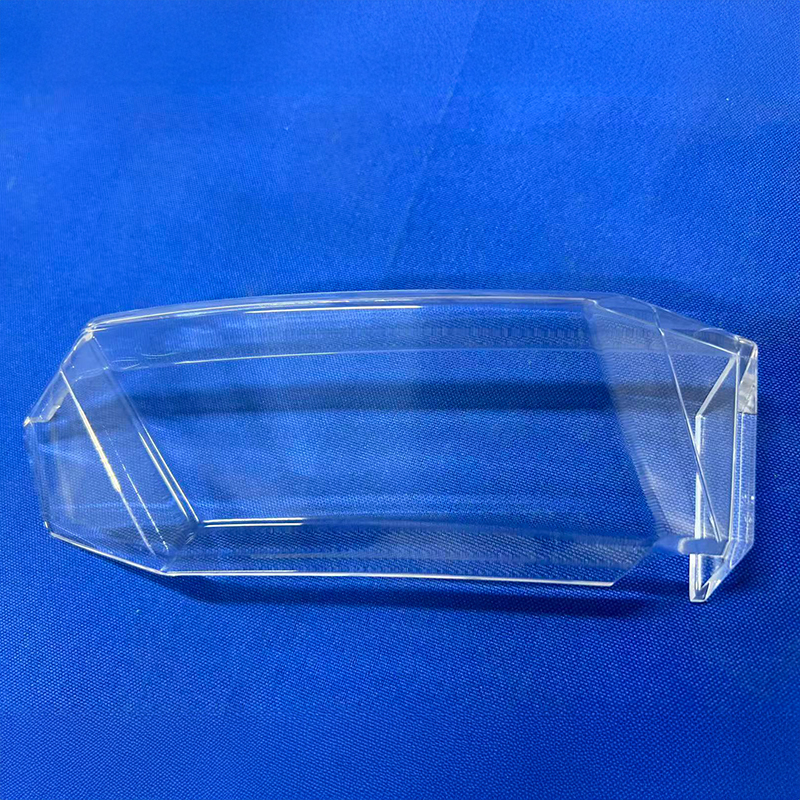
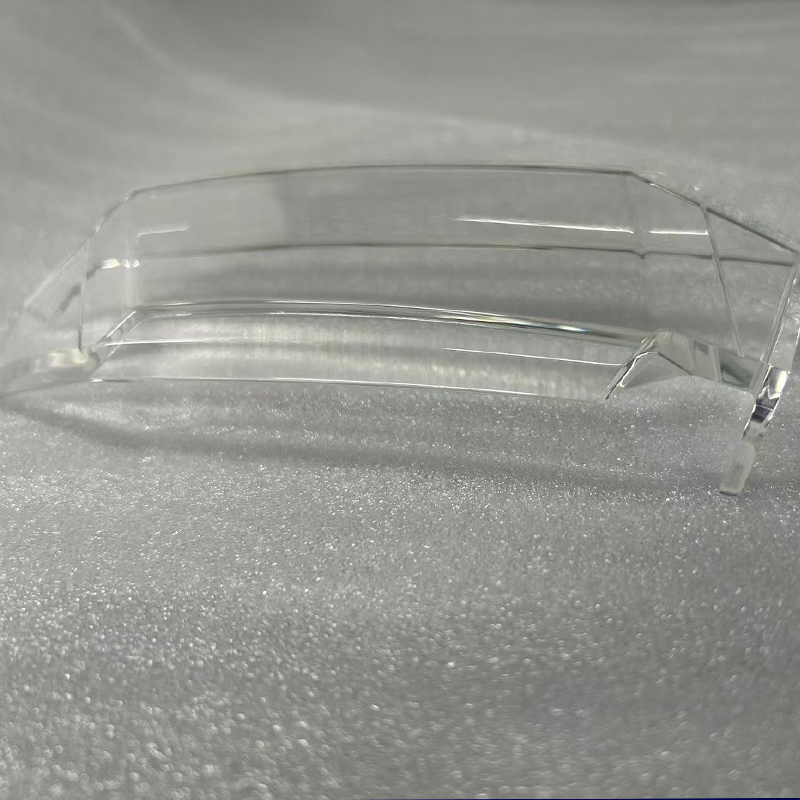
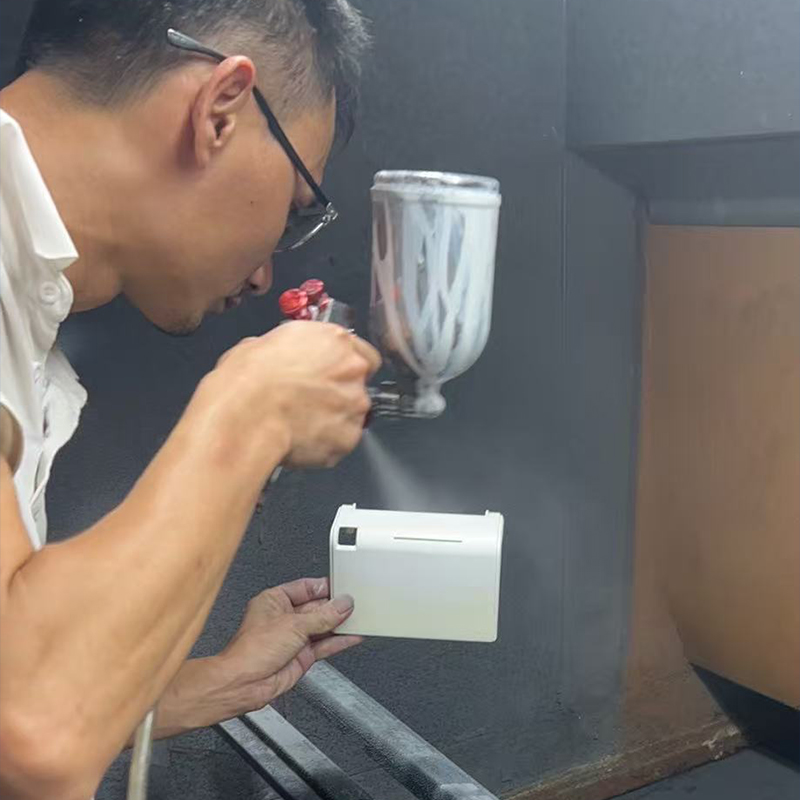
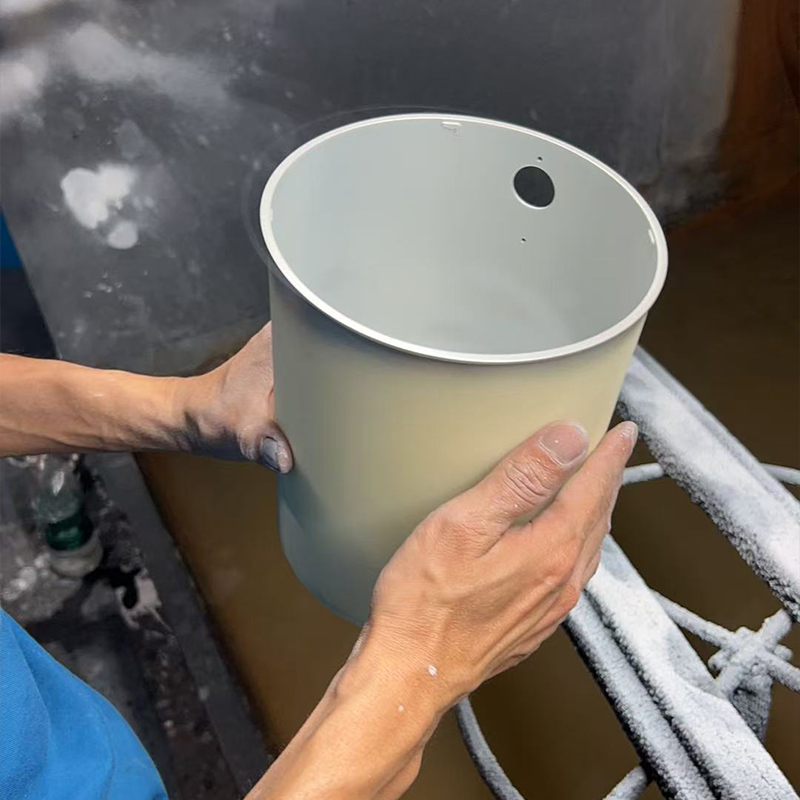
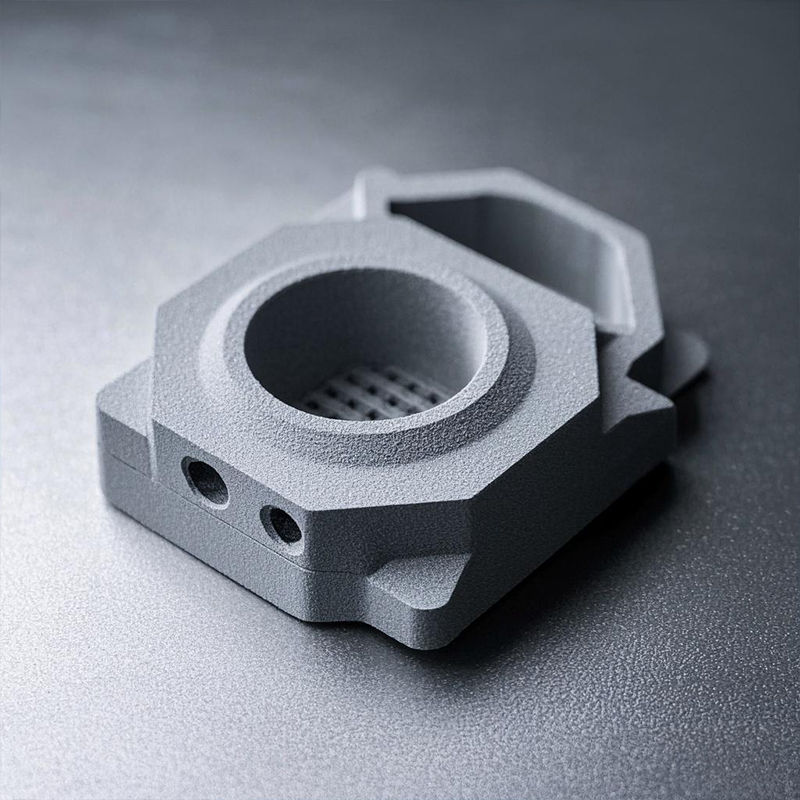
Plastic surface treatment is a series of process methods used to improve or alter the surface characteristics of plastic products. These processing methods aim to enhance the appearance, texture, durability, and functionality of the product. Here are some common plastic surface treatment methods:
1. Matte: This is a treatment method that creates a delicate matte effect on the surface of plastic, commonly used for plastic films or sheets. Different transparency and tactile sensations can be achieved through rollers with different patterns.
2. Polishing: Using mechanical, chemical, or electrochemical processes to reduce the surface roughness of the workpiece and achieve a shiny and smooth effect. This is usually used to improve the aesthetics of products and reduce dust adhesion.
3. Coating (spraying): Apply a layer of paint on the surface of plastic to provide protection against corrosion, wear, and electrical insulation. The coating process includes steps such as annealing, degreasing, eliminating static electricity and dust removal, spraying, and drying.
4. Printing: Printing the desired pattern on the surface of plastic parts using various printing techniques such as screen printing, curved printing (transfer printing), hot stamping, penetration printing (transfer printing), etching printing, etc. Each technology has its own characteristics and is suitable for different application scenarios.
5. In mold decoration technology (IMD): Place the printed pattern film into a metal mold, and then inject the resin used for molding to solidify the pattern and resin into a finished product. IMD includes IML (no stretch, small curved surface), IMF (high stretch product, 3D), IMR (surface film removed, leaving only ink on the surface) and other types.
6. Spray free materials: Some special materials can be directly obtained with specific colors and textures through injection molding or other methods, without the need for subsequent spraying or other decorative treatments.
7. CMF design: Color Material Finishing, which combines color, materials, and surface treatment techniques, has become a comprehensive discipline focused on how to harmoniously apply different surface treatment techniques to enhance product design.
Overall, these surface treatment techniques have their own advantages and applicable scenarios, and designers and engineers need to choose the most suitable treatment method based on the specific needs and cost-effectiveness of the product.

Fujian Guannuo Prototype Co., Ltd.
Tel: 13328529368
Email: 790643291@qq.com
Address: No. 45, Guanqiaowei, Guanqiao Town, Anxi County, Quanzhou City, Fujian Province