Welcome to Fujian Guannuo Prototype Co., Ltd

RAPID PROTOTYPE/Parts/Product
Professional-grade global supplier
Service Hotline:
133-2852-9368
133-2852-9368
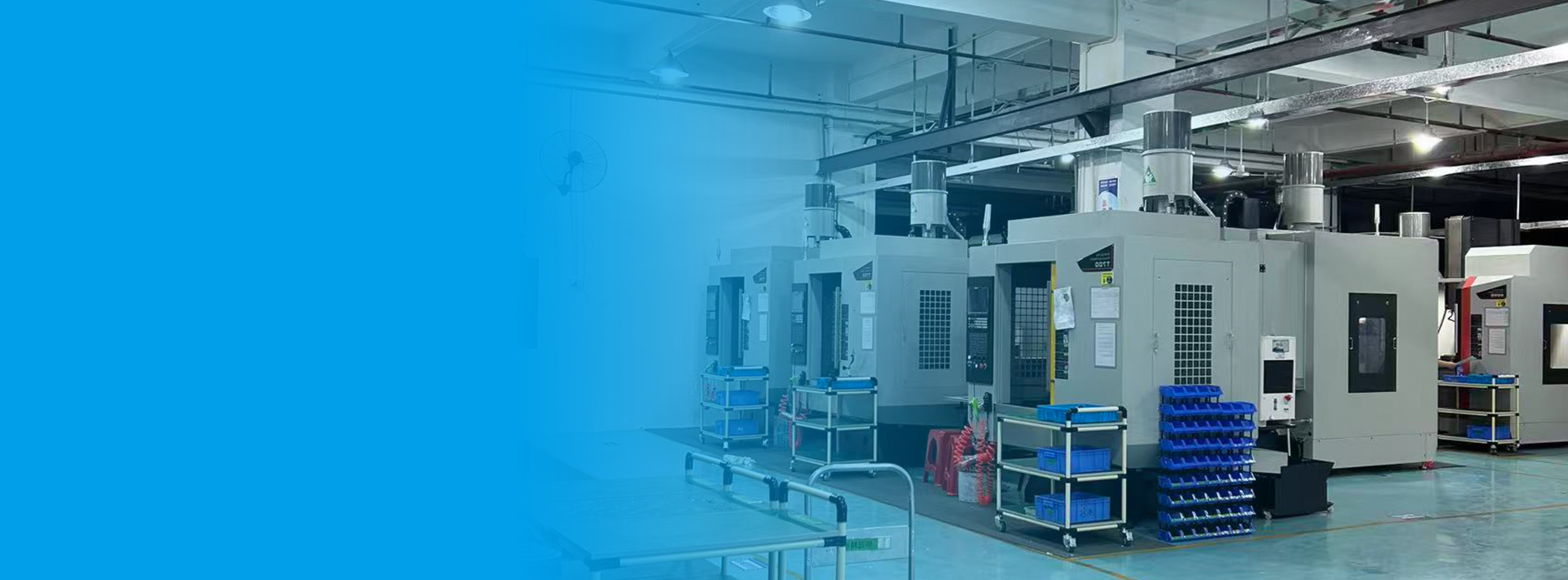
CNC machining, 3D printing, rapid prototyping, sheet metal fabrication, silicone molding.
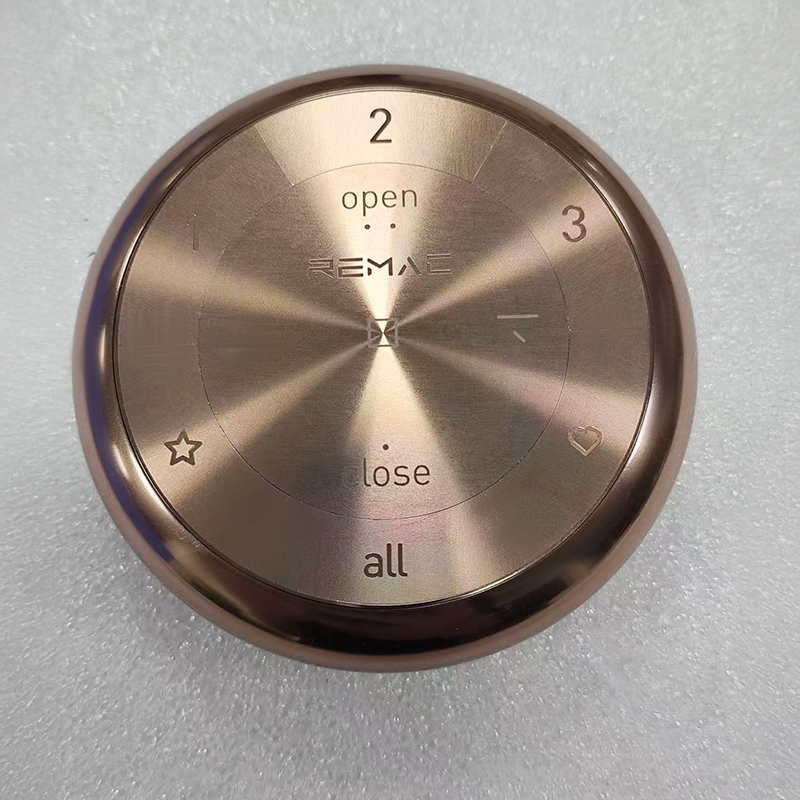
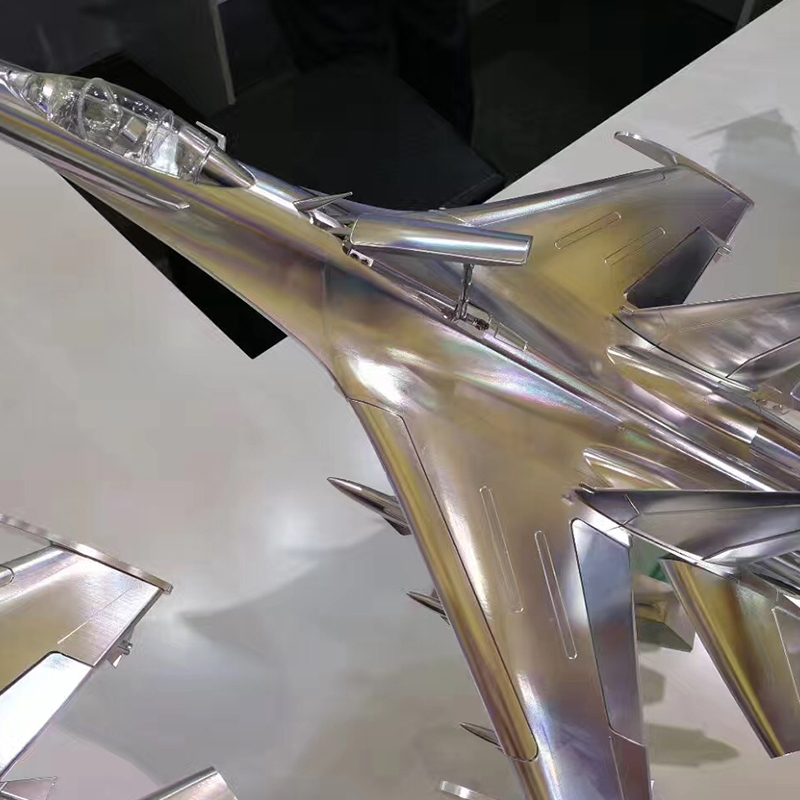
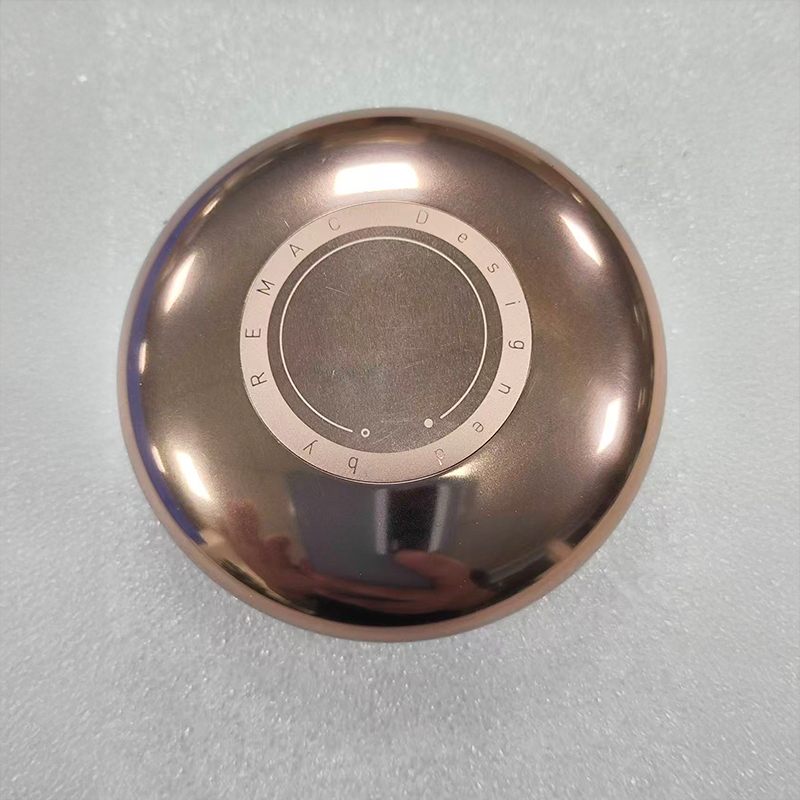
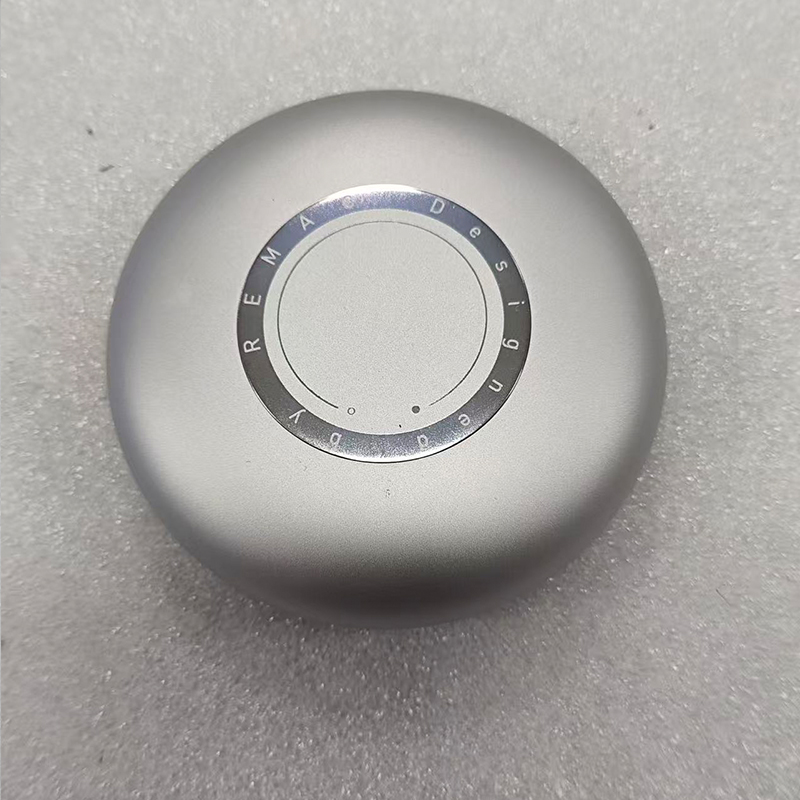
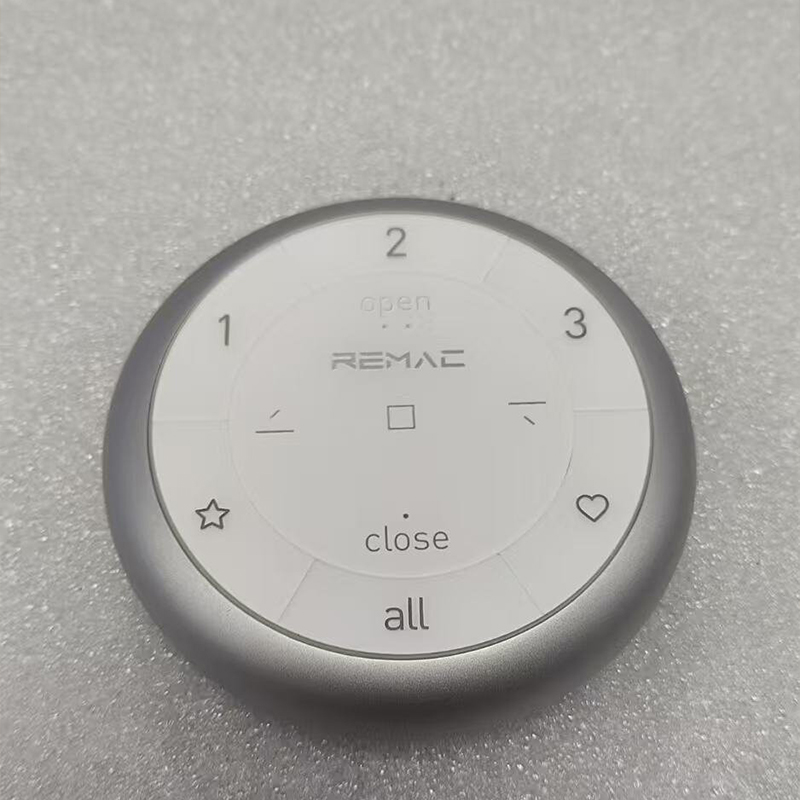
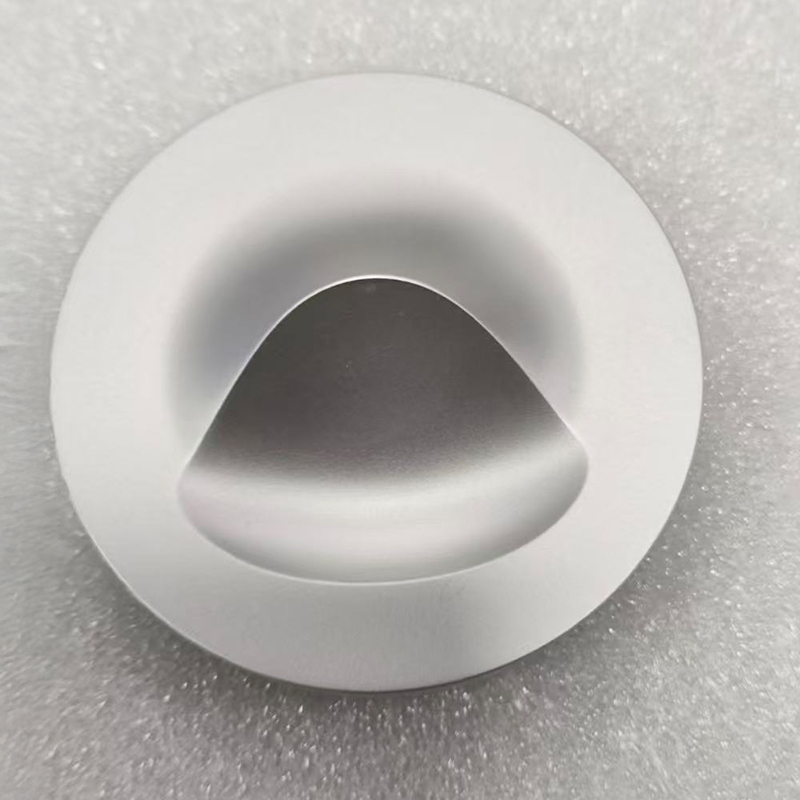
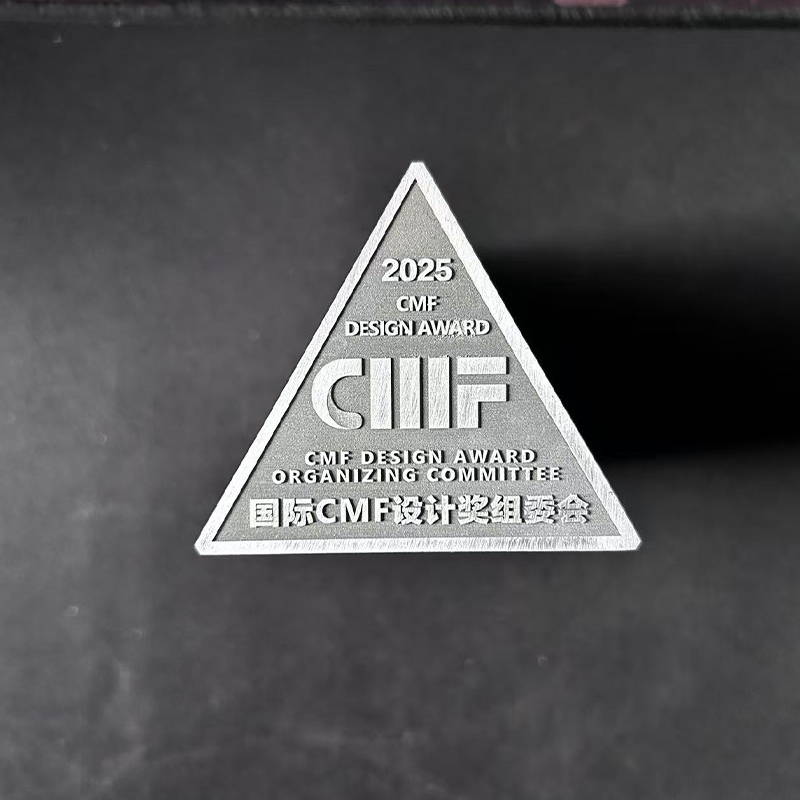
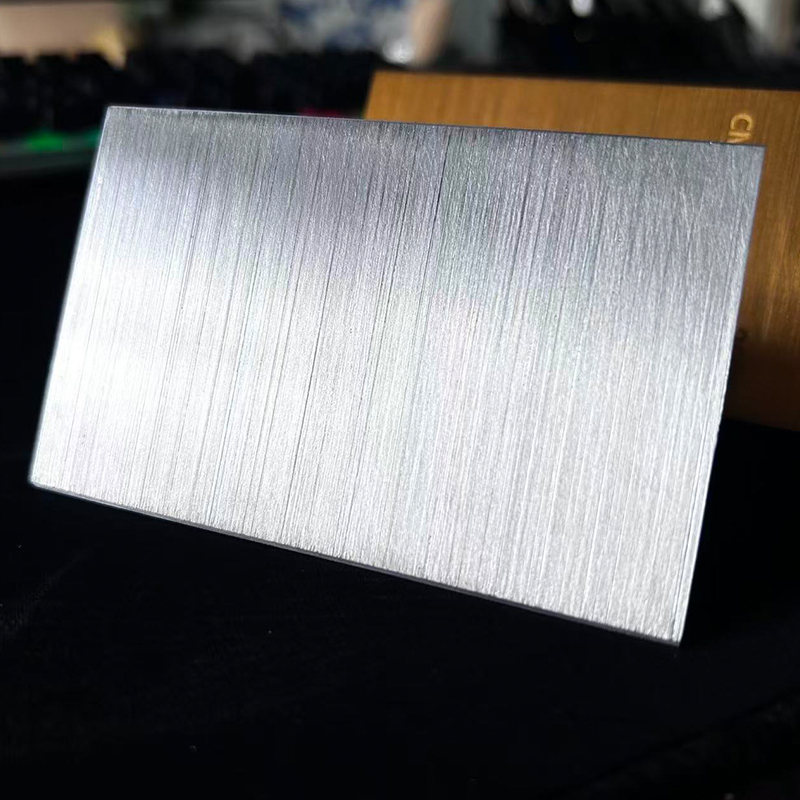
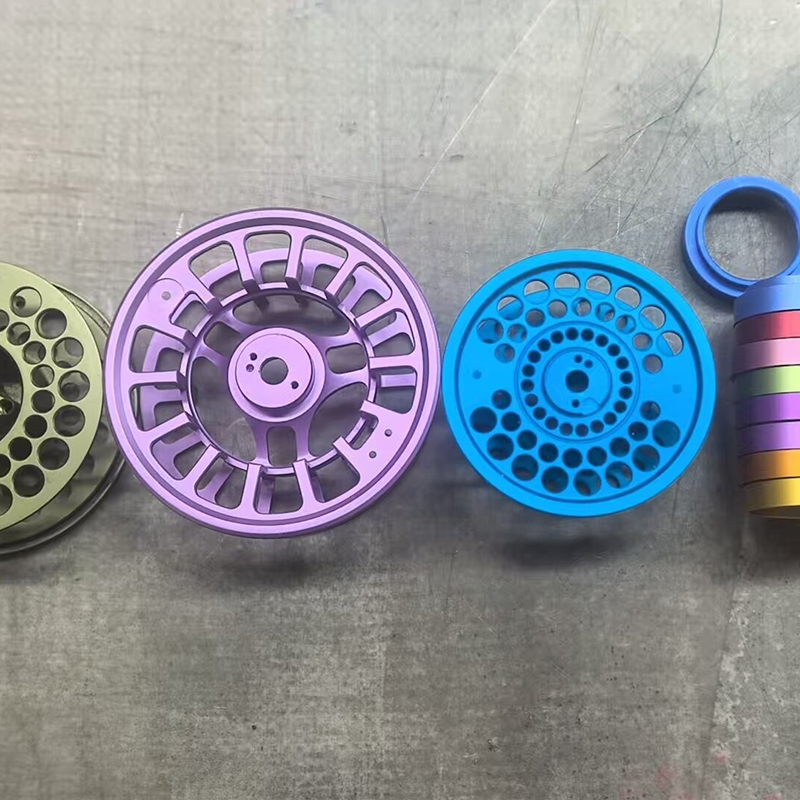
Metal surface treatment technology is a series of specialized processes used to improve the surface properties of metals, which can enhance the corrosion resistance, wear resistance, and decorative properties of products, or endow them with other special functions. Here are some common metal surface treatment methods:
1. Mechanical polishing: Grinding the metal surface by mechanical means to remove burrs, smooth the surface, or prepare for subsequent processing.
2. Chemical treatment: Use acid, alkali, or other chemical substances to clean metal surfaces, remove oil stains, oxide scales, etc., or perform chemical transformations such as phosphating, oxidation, etc.
3. Surface heat treatment: including surface quenching and laser surface strengthening, which change the microstructure of the metal surface through heating and cooling, thereby enhancing its hardness and wear resistance.
4. Chemical heat treatment: such as carburizing, nitriding, etc., by diffusing certain elements into the surface layer of the metal to change its chemical composition and properties.
5. Spray surface: Spray a layer of paint or other material on a metal surface to provide a protective layer or achieve a specific appearance effect.
6. Electrochemical treatment: such as electroplating, anodizing, etc., using current to form a uniform and tight coating on the metal surface, improving corrosion resistance and decorative properties.
7. High energy beam treatment: such as laser surface strengthening, using high-energy laser beams to quickly heat and cool metal surfaces, achieving local hardening or modification.
8. Surface deformation strengthening: By applying pressure or impact to the metal surface, it undergoes plastic deformation, thereby improving hardness and strength.
9. Polishing: Using mechanical or chemical methods to make metal surfaces smooth and shiny, commonly used in decorative or reflective applications.
10. Etching: Localized corrosion of metal surfaces using acidic or alkaline solutions to obtain specific patterns or textures.
Overall, these technologies have their own characteristics and applicable scenarios, and engineers and designers need to choose the appropriate surface treatment method based on the specific needs of the product. Through these methods, the performance and appearance of metal components can be significantly improved, their service life can be extended, and specific functional requirements can be met.

Fujian Guannuo Prototype Co., Ltd.
Tel: 13328529368
Email: 790643291@qq.com
Address: No. 45, Guanqiaowei, Guanqiao Town, Anxi County, Quanzhou City, Fujian Province